

Events and Offerings
Cafe Hours
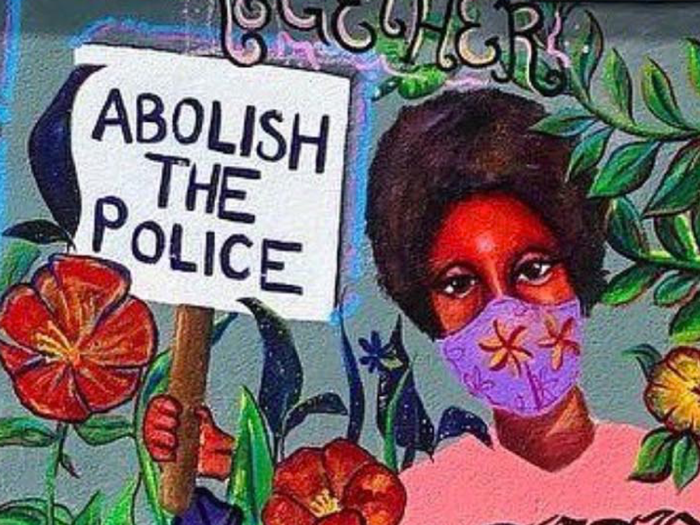

Ever had questions about pods? Safety alternatives? How to handle conflict with a loved one or neighbor? Even if you just need someone in the community to connect with over shared values. Drop in and connect with REP folks at our Cafe Hours, hosted every first and third Friday at the REP offices at New City Center.What can you expect at Café Hours?2-3 members of REP will welcome you into our cozy office space, invite you to a warm beverage and ask you what brought you to Café Hours. You are welcome to come with something specific in mind, like a big question or project proposal, or just with an open mind and heart! At Café Hours, you will find…
• Opportunities to connect with like-minded people engaged in abolitionist work in the Twin Cities • Peer support with community problem-solving • Check-in space for pod-building work • Feedback on organizing projects, proposals and ideas We aren’t experts, therapists or miraculous problem fixers. We won’t have the answers to everything. We are, however, dedicated community members with time to listen and talk through your questions! Radical Study Group
Our Study Group is a BIPOC-centered space where we move through conversation grounded in abolitionist studies to understand and uplift the layers of truth that are moving around us currently.
Studios
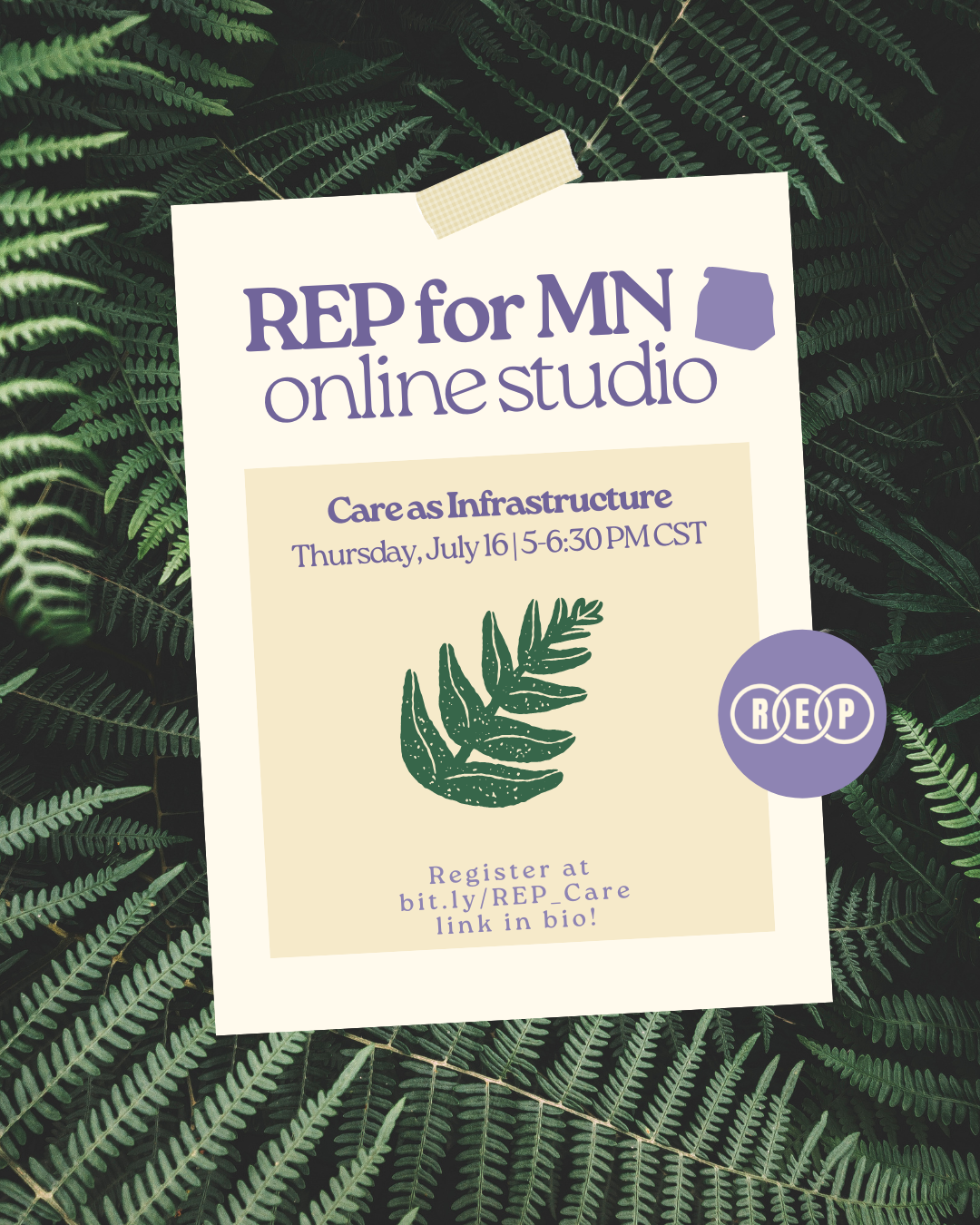
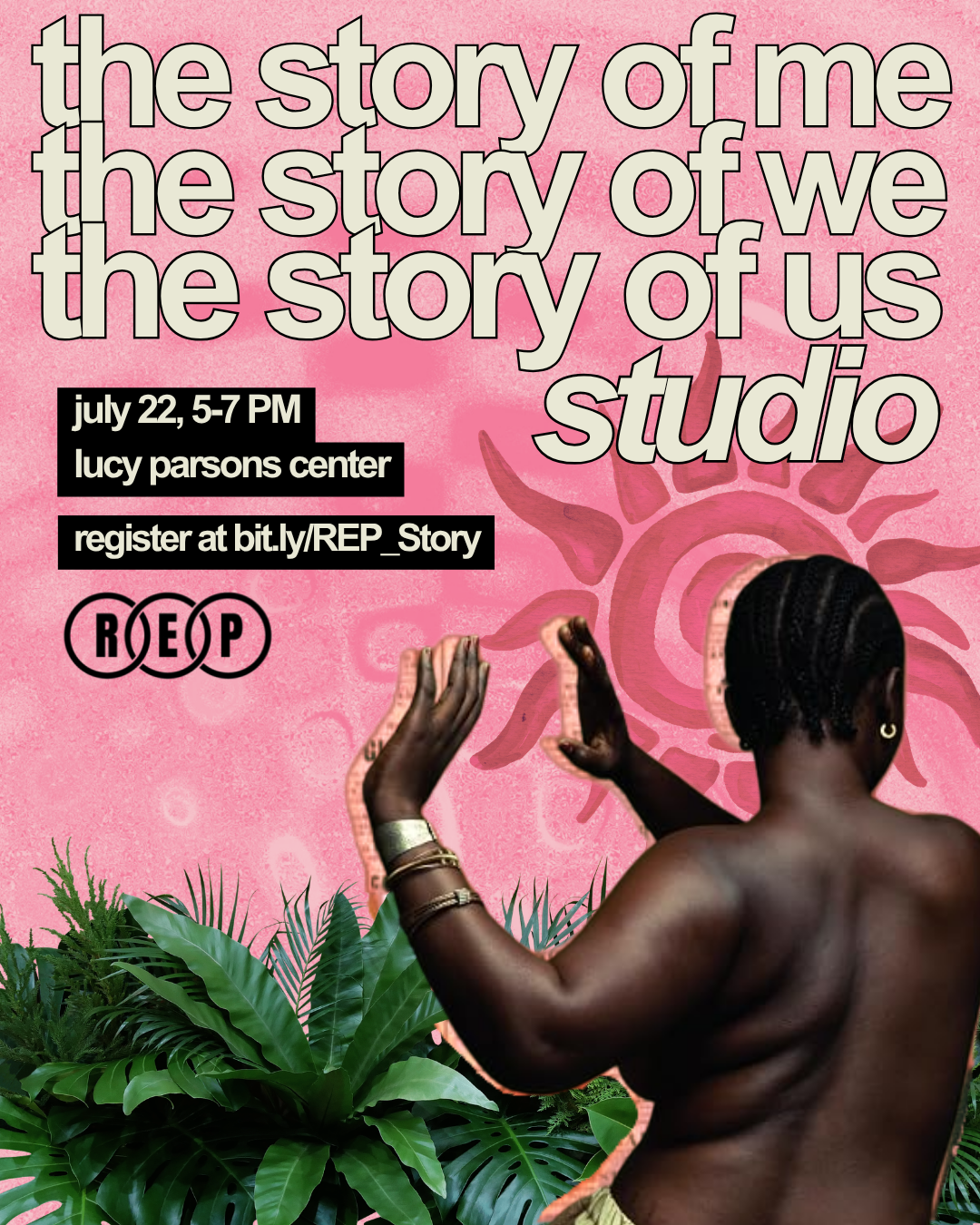
REP’s Pods fortify existing networks and support the creation of new networks by improving relationships between neighbors, identifying webs of support that already exist within reach, and reimagining what loving community looks like.
REP supports the formation of pods through ongoing trainings called “studios”. support neighbors in building skills in de-escalation, mental health support, and situational awareness.
Community Trainings

This training was first envisioned in early 2020, in the midst of the Twin Cities uprising after the murder of George Floyd. It began as a way to prepare community members to run a community hotline, and in the last five years it has grown and deepened. Yet the central practice remains the same: when we are supported to turn toward each other in moments of crisis, the likelihood of state violence is minimized.